AI Solutions and Automation
Automate repeatable work while keeping people in control of important decisions.
We map the workflow, data, exceptions and risks before choosing integration, rules-based automation, AI or a combination of them.
Why buyers trust this team
- 11+
- Enterprise delivery experience behind Solandrix
- 10
- Areas of expertise
- 4
- Understand, design, build, deliver
- Microsoft AI Cloud Partner
What does AI automation with Solandrix involve?
It means removing repeatable work from a workflow with the simplest tool that is reliable: integration, rules-based automation, AI or a combination, while people keep the decisions that need judgment. Solandrix works from Bucharest with companies in Romania and Europe and starts by mapping the workflow, its data, exceptions and risks.
What should improve
- Less time spent on repeatable handling
- Faster access to internal information
- Visible exceptions and review paths
- Measured automation quality in production
ServicesAI Solutions and Automation
Repetition often indicates that information is not moving reliably.
Teams copy data between applications, reconcile spreadsheets, classify documents, prepare recurring reports and route requests manually. The visible task may be simple, but automating it responsibly requires an understanding of the data, exceptions and decisions around it.
Common opportunities:
- Repeated data entry
- Spreadsheet reconciliation
- Document extraction and classification
- Request routing and status updates
- Recurring report preparation
- Search across internal information
- Forecasting, scoring or classification
- Support for employee and customer questions
AI is a tool, not the starting assumption.
Integration
Use when information already exists in structured systems but does not move between them.
Rules-based automation
Use when the steps and exceptions can be defined clearly and the same decision should produce the same result.
AI-assisted workflow
Use when work involves language, documents, patterns or uncertain classification, with human review where consequences require it.
Human decision
Retain when judgment, accountability or unusual context matters more than speed.
What responsible automation requires
Clear success criteria
Define what should become faster, more accurate or easier to manage.
Reliable data
Understand sources, quality, permissions and the consequences of incomplete information.
Visible failure handling
Decide what happens when a service is unavailable, a result is uncertain or an input does not match expectations.
Human control
Keep review and override paths where the cost of an incorrect result is meaningful.
Production monitoring
Observe performance, errors, usage and changes in connected systems after launch.
Example applications
- HR document and request workflows
- Internal IT request triage
- Finance-document processing
- Logistics and operational data reconciliation
- Product-information classification
- Knowledge search
- Customer and employee assistance
- Forecasting and anomaly detection
Start with an automation opportunity map.
Deliverables:
- Workflow and data-flow map
- Repeated work and delay identified
- Exceptions and human decisions documented
- Integration and data dependencies
- Suitable automation approaches
- Expected benefit and operational risk
- Recommended first implementation
Frequently asked questions
When is AI the right tool, and when are rules enough?
- Rules are enough when the steps and exceptions can be defined clearly and the same input should always produce the same result. AI fits work involving language, documents, patterns or uncertain classification. Often the best answer is plain integration, because the information already exists and only needs to move.
How do people stay in control of an automated workflow?
- Review and override paths stay where an incorrect result would be costly, uncertain results and failures are handled visibly, and the automation is monitored after launch. Decisions that need judgment or accountability remain with people.
What happens to our data when AI is used?
- Data sources, quality, permissions and where information is processed are decided before implementation, as part of the opportunity map. The approach is then chosen to fit the rules your data is subject to.
How is this different from Digital Transformation?
- AI Automation improves one workflow: its repeated steps, data and exceptions. Digital Transformation is for change that crosses several departments, systems and ways of working at once. Both start with an opportunity map, scoped to one workflow here and to the wider operation there.
What does the automation opportunity map include?
- A workflow and data-flow map, the repeated work and delays, documented exceptions and human decisions, integration and data dependencies, the suitable automation approaches, the expected benefit and operational risk, and a recommended first implementation.
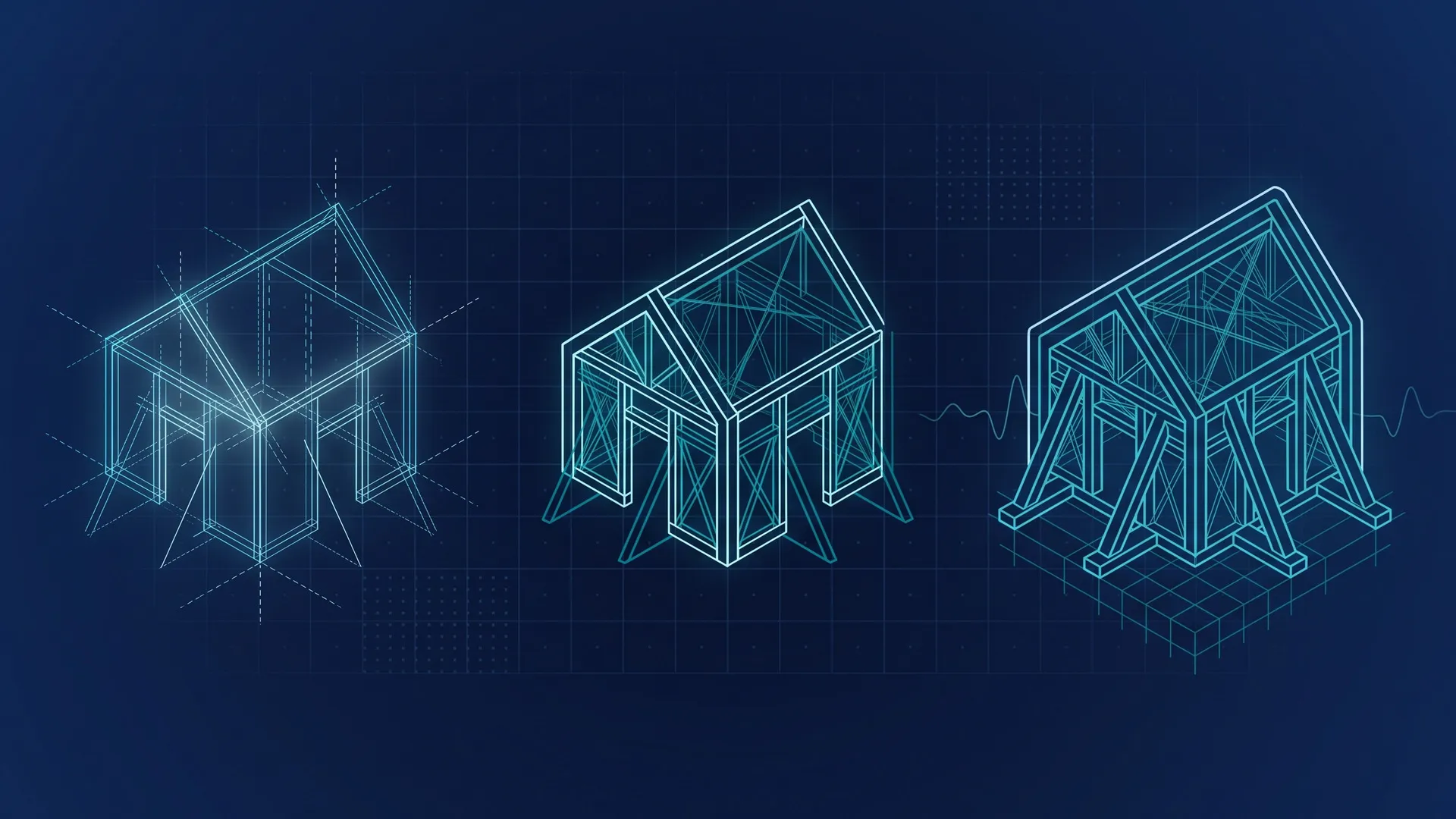
One team from analysis to delivery.
The same people analyze the situation, manage the work, develop the solution and see it through delivery. Fewer handoffs keep decisions fast and reduce the context lost between stages.
Meet the teamBoundary
Choose this when the goal is less repeated work. Choose Systems Integration when reliable data movement is the primary problem.
Show us the workflow that consumes too much time.
We will identify what can be automated responsibly, what should remain with people and what must be validated before implementation.
Review the automation opportunityWe reply within one business day. The first conversation is for understanding the situation, not selling a predetermined solution.